



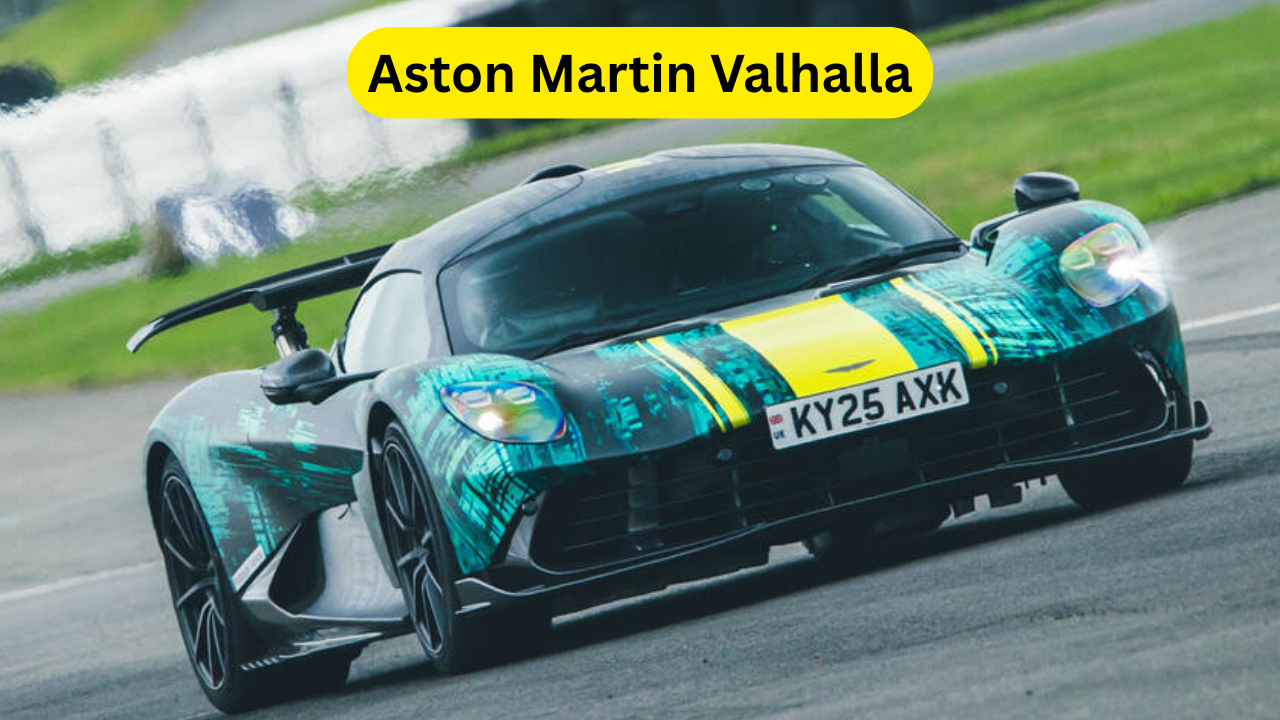
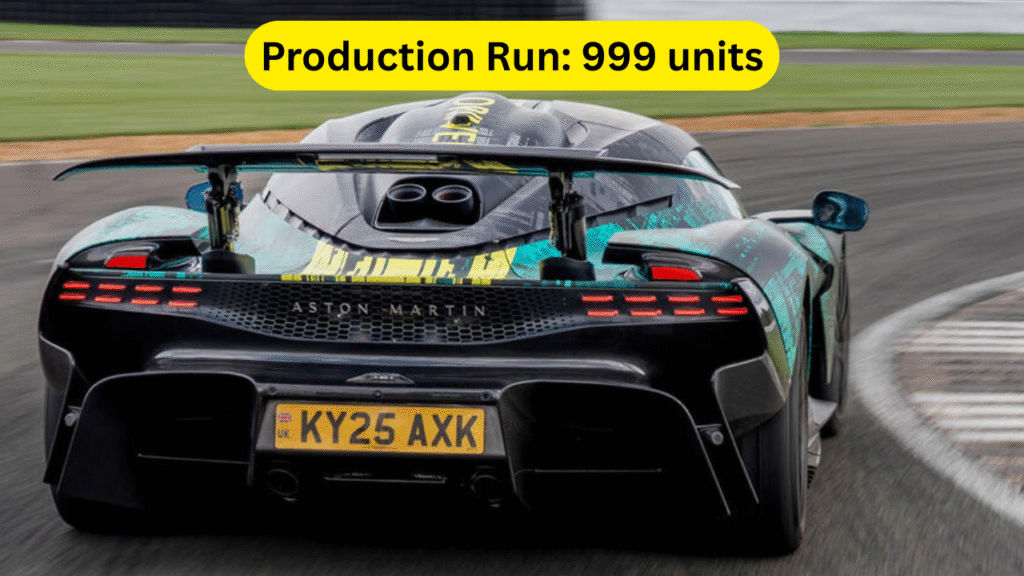
Aston Martin Valhalla Review: Aston Martin is entering a new chapter with the Valhalla — a mid-engined, hybrid hypercar blending Formula 1-inspired technology with a focus on driver engagement. Set to be priced at £850,000 and limited to 999 units, deliveries will begin next spring.
This carbonfibre-tubbed, two-seat coupé features a mid-mounted turbocharged V8 paired with three electric motors — one integrated into the eight-speed dual-clutch gearbox and two driving the front wheels. The total combined output is a staggering 1,064bhp and 811lb ft of torque.
Hybrid Powertrain with Sophisticated Engineering
The rear-mounted V8 sends power through the gearbox, while its electric motor can assist regardless of gear selection thanks to a design allowing both clutches to engage simultaneously. An electronically controlled limited-slip differential handles the rear axle.
At the front, each wheel is powered by its own electric motor — which also manages reversing duties. Aston Martin has not disclosed individual motor outputs, but together the trio adds 248bhp to the system.
Chassis, Aerodynamics, and Suspension
Built around a carbonfibre monocoque, the Valhalla uses carbonfibre body panels and aluminium subframes for the suspension. The front features double wishbones with pushrods to reduce unsprung mass and allow a lower windscreen and seating position, while the rear adopts a multi-link setup.
Active aerodynamics can generate up to 600kg of downforce, with elements adjusting at high speeds to avoid overloading the suspension. Adaptive Bilstein dampers, electric power steering, and brake-by-wire with regenerative braking are all standard.
Design and Dimensions
At just 1,161mm high, the Valhalla sits 25mm lower than the Lamborghini Revuelto and matches the Ferrari SF90’s stance. The cabin features recycled forged carbonfibre alongside premium materials, including solid metal door pulls. Aston’s interiors have recently improved in both perceived quality and craftsmanship.
The driving position is classic supercar — low-slung with legs extended — and features a squared steering wheel with paddle shifters mounted directly to the rim. The steering ratio offers 2.4 turns lock-to-lock, designed to encourage agile, playful handling.
Driving Experience — Early Prototype Impressions
The first drive took place at Aston Martin’s Stowe circuit at Silverstone in a late-stage prototype, with hardware production-ready but software about 85–90% complete.
Interestingly, the Valhalla avoids the aggressive, unfiltered character of the Valkyrie. At idle, the absence of the traditional Aston V8 burble is noticeable, replaced by the hum of hybrid systems. On the track, the prototype was fitted with Michelin Pilot Sport S5 tyres (285/30 R20 front, 335/30 R21 rear) rather than the future production-spec Pilot Sport Cup 2 R, chosen to highlight the car’s accessible, fun-to-drive base dynamics.
Simon Newton, Aston Martin’s Director of Vehicle Performance, says the approach was deliberate: “We’ve started by giving the car a base, fun-to-drive character,” before fine-tuning for maximum performance.
A New Era for Aston Martin
The Valhalla marks a shift from Aston’s traditional grand tourers to a mid-engined performance flagship designed to rival the Ferrari SF90, Lamborghini Revuelto, and McLaren Artura. With its blend of extreme power, hybrid sophistication, and daily-drive sensibility, the Valhalla could be one of the most versatile hypercars on the market.